


Benvenuti nel mio blog!
Prima di immergerci nei contenuti, mi piacerebbe che vi uniste a me sulle mie piattaforme di social media dove condivido ulteriori approfondimenti, mi impegno con la comunità e pubblico aggiornamenti. Ecco come potete connettervi con me:
Facebook: il suo nomehttps://www.facebook.com/profile.php?id=100087112105480
LinkedIn: il suo nomehttps://www.linkedin.com/showcase/99327366/admin/dashboard/
Ora iniziamo il nostro viaggio insieme. Spero che i contenuti di questo sito siano interessanti, coinvolgenti e preziosi.
Indice dei contenuti
Introduzione
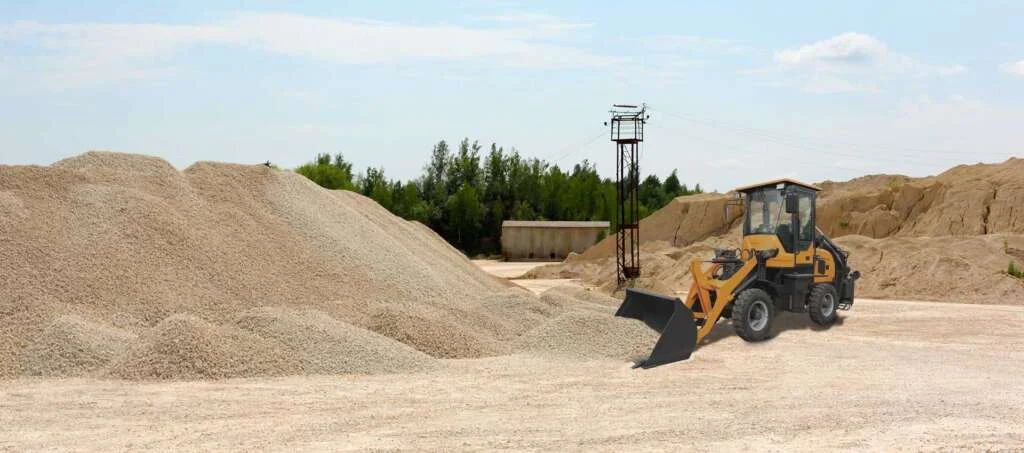
When it comes to heavy construction and earthmoving tasks, two of the most commonly used machines are backhoes and front loaders. Both serve essential roles in construction, excavation, and material handling, but choosing the right one can be a challenge. The decision between a backhoe and a front loader depends on the specific tasks, terrain, and project requirements.
In this guide, we’ll explore the differences between a backhoe and a front loader, their applications, advantages, and limitations to help you make an informed decision.
Comprendere le terne e le pale caricatrici frontali
What Is a Backhoe?
A backhoe is a piece of heavy equipment that consists of a digging bucket attached to a two-part articulated arm (or boom) at the rear, and a front-mounted loader bucket. This dual functionality makes backhoes highly versatile in excavation, trenching, and material handling.
What Is a Front Loader?
A front loader (also known as a wheel loader or front-end loader) is a heavy machine equipped with a large front bucket used for scooping, lifting, and moving materials such as soil, gravel, and debris. Unlike a backhoe, a front loader lacks a rear digging arm, making it more specialized for loading and transportation tasks.
Retroescavatore vs caricatore frontale: differenze principali
Design and Structure
- Backhoe: Features a dual-functionality design with a digging arm in the back and a loader in the front
- Front Loader: Primarily designed for loading and transporting materials with a larger bucket
Primary Functions
- Backhoe: Used for digging trenches, excavation, demolition, and lifting materials
- Front Loader: Ideal for moving and loading bulk materials like sand, gravel, and construction debris
Manovrabilità e versatilità
- Backhoe: More versatile due to its dual-use capability, but may be less maneuverable in tight spaces
- Front Loader: Offers better maneuverability for loading operations but lacks the ability to dig trenches
Applicazioni
- Backhoe: Common in road construction, agriculture, and utility installation
- Front Loader: Used primarily in mining, large-scale construction, and material transport
Operator Skill Requirements
- Backhoe: Requires advanced training due to the complexity of handling both digging and loading functions
- Front Loader: Easier to operate, with a focus on scooping and lifting rather than digging
Retroescavatore vs caricatore frontale: tabella comparativa
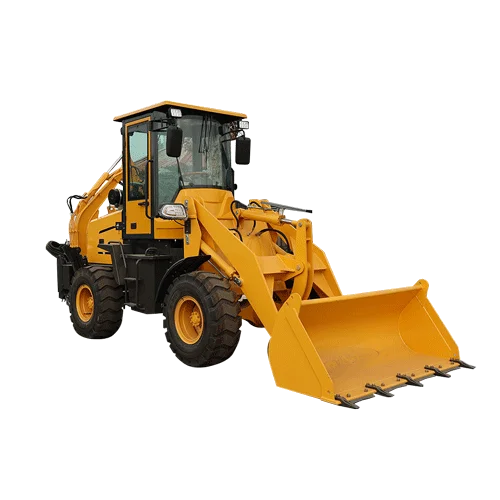
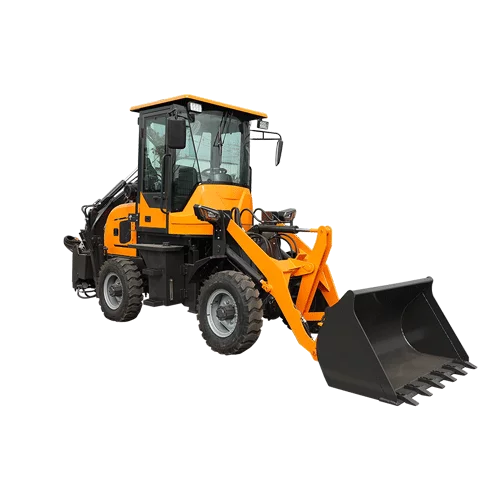
| Caratteristica | Retroescavatore | Caricatore frontale |
|---|---|---|
| Main Purpose | Digging & Loading | Loading & Transporting |
| Design | Digging arm at the back, bucket in front | Large front bucket, no rear digging arm |
| Il migliore per | Trenching, excavation, and small to mid-sized construction | Moving, lifting, and transporting heavy materials |
| Manovrabilità | Moderate (depends on terrain) | High (especially in open areas) |
| Training Required | More complex to operate | Easier to use |
| Common Uses | Construction, agriculture, and roadwork | Mining, demolition, and material handling |
| Versatilità | High – can perform multiple functions | Limited to lifting and loading |
Quando scegliere una terna anziché una pala caricatrice frontale?
Choose a Backhoe If:
- Your project involves excavation or trenching
- You need a multi-functional machine for different tasks
- The worksite requires digging and loading capabilities
- You’re working in agriculture, construction, or road maintenance
Choose a Front Loader If:
- You primarily need to move and transport materials
- Your work involves mining, large-scale construction, or bulk material handling
- You need higher maneuverability in open spaces
- You require a larger loading capacity for heavy materials
Vantaggi e limiti delle terne e delle pale gommate
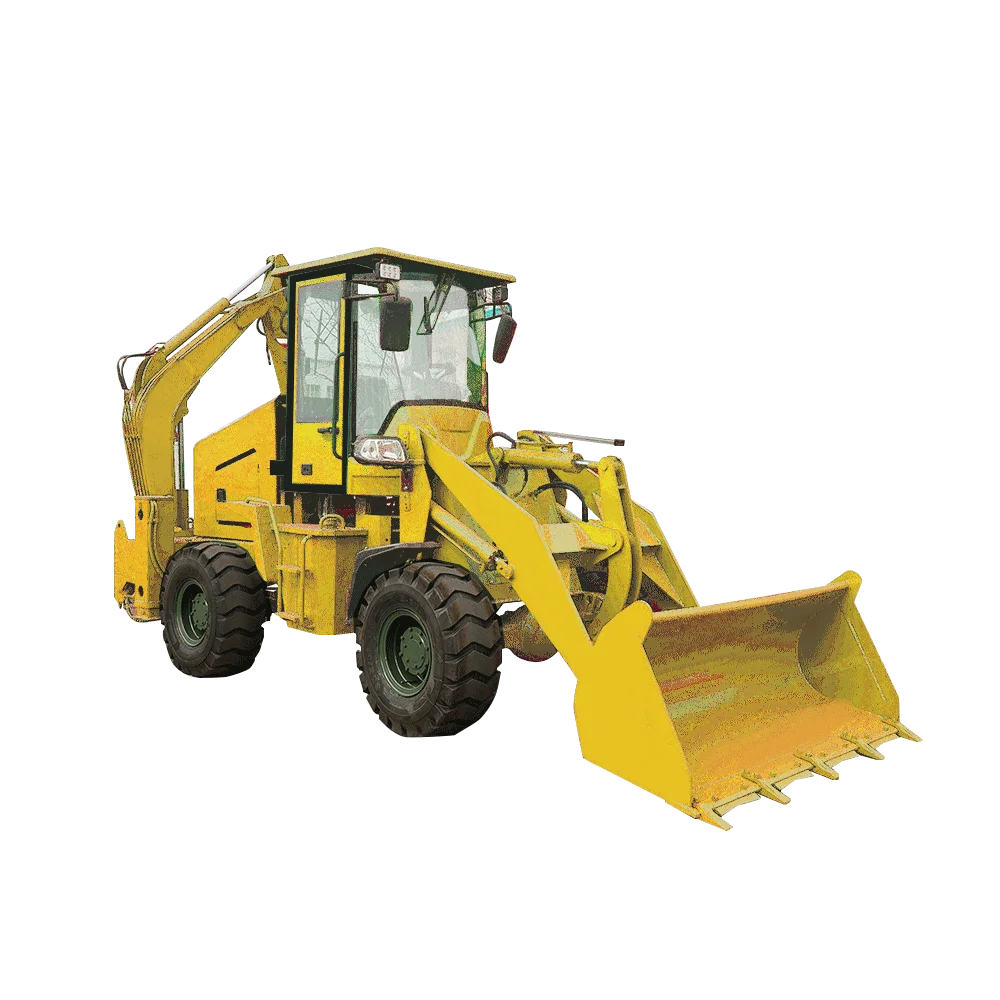
Advantages of Backhoes
- Highly versatile, capable of digging, loading, and material handling
- Compact size makes it suitable for smaller construction sites and urban projects
- Eliminates the need for separate excavators and loaders
Limitations of Backhoes
- Lower loading capacity compared to front loaders
- More complex to operate, requiring skilled operators
- Slower than dedicated loaders when moving large volumes of material
Advantages of Front Loaders
- High efficiency in moving materials
- Larger bucket capacity for bulk handling
- Better traction and maneuverability in open workspaces
Limitations of Front Loaders
- Limited functionality, as it cannot perform trenching or digging
- Less effective in confined spaces due to size
- Requires additional equipment for excavation tasks
Conclusione
When choosing between a backhoe and a front loader, it’s essential to assess your project’s requirements, terrain conditions, and budget. A backhoe is the better choice for jobs requiring both digging and loading capabilities, whereas a front loader excels in bulk material movement and handling.
Both machines are crucial in construction and earthmoving operations, and selecting the right one can significantly impact productivity and efficiency on the job site. If you need more information, please feel free to contattateci.
FAQ
Una terna può sostituire una pala caricatrice frontale?
Una terna può eseguire alcune operazioni di carico, ma non ha la stessa efficienza né la stessa capacità della benna di un caricatore frontale. Se devi spostare grandi volumi di materiale, un caricatore frontale è l'opzione migliore.
È più facile usare una pala caricatrice frontale rispetto a una terna?
Sì, un caricatore frontale è generalmente più facile da usare perché richiede solo di raccogliere e sollevare. Una terna richiede maggiore abilità per essere utilizzata efficacemente sia per lo scavo che per il carico.
Quale macchina è più adatta per l'uso agricolo?
Una terna è spesso preferita per l'uso agricolo perché può eseguire scavi, trincee e movimentazione di materiali. Tuttavia, un caricatore frontale è utile per il trasporto di materiali su larga scala nelle aziende agricole.
Un caricatore frontale può scavare come una terna?
No, una pala caricatrice frontale non è progettata per scavare. Può spingere materiali, ma non può scavare trincee o effettuare scavi come una terna.
Quali settori utilizzano maggiormente le terne e le pale gommate?
Le terne sono comunemente utilizzate nell'edilizia, nei lavori di pubblica utilità e nell'agricoltura, mentre le pale gommate sono ampiamente utilizzate nell'industria mineraria, nella demolizione e nel trasporto di materiali.
Come posso decidere se utilizzare una terna o una pala caricatrice frontale per il mio progetto?
Consider the primary task: If you need excavation and digging, go with a backhoe. If your focus is on material transportation and loading, a front loader is the better choice.